San Mateo County Small Claims Court offers a fast and affordable way to resolve civil disputes without hiring an attorney. Residents who need to file small claim San Mateo can bring minor legal claims before a judge and often receive a decision within weeks. The court focuses on efficiency, keeping procedures simple and costs low. It handles disputes involving unpaid debts, property damage, security deposits, and basic contract issues. By limiting claim amounts, the court streamlines the legal filing process and makes courthouse resources easier for the public to use.
San Mateo County Small Claims Court serves plaintiffs and defendants seeking fair resolution of financial disagreements. Individuals may sue for up to $10,000, and businesses may file claims up to $5,000 under California law. This monetary limit keeps cases manageable and focused on clear evidence. Plaintiffs file forms, pay a filing fee, and notify the defendant before a hearing date is set. During the hearing, both sides present documents, receipts, or witness statements. The judge reviews the facts and issues a decision, often shortly after the hearing concludes.
What Is San Mateo County Small Claims Court?
San Mateo County Small Claims Court handles minor civil cases involving limited amounts of money and offers a faster path for claim resolution. In the middle of this system, the San Mateo County Court oversees the administration and procedures that support small claims hearings and case processing. It allows residents to file disputes, attend short hearings, and use a small claims case lookup system to track progress. This court division focuses on clear courtroom procedures, simple forms, and quick decisions. It serves as a practical option for resolving legal disputes without lengthy trials. The process supports efficient case handling within the local judicial system.
Scope of Small Claims Cases
The San Mateo county small claims court addresses common financial conflicts that arise between individuals and businesses. It focuses on minor civil cases where money is owed or property damage occurred. The court limits claim amounts to keep disputes manageable and structured. Judges review documents, hear both sides, and issue rulings based on California law. Many cases involve everyday agreements and unpaid obligations that require direct claim resolution.
- Unpaid bills or loans: claims involving money owed between parties
- Security deposit disagreements: landlord and tenant disputes
- Property damage from vehicle accidents: repair cost recovery
- Breach of simple contracts: failure to honor written or verbal agreements
- Faulty services or consumer complaints: disputes over unsatisfactory work
Small Claims vs. Civil Court
Small claims court differs from general civil court in both procedure and cost. Civil court handles larger financial disputes and complex lawsuits that often require attorney representation. Small claims limits the dollar amount and shortens courtroom procedures for efficiency. Individuals may sue for up to $10,000, and businesses may sue for up to $5,000 under California rules. Filing fees remain lower, and hearings move more quickly than standard civil trials.
Eligibility and Legal Limits
Plaintiffs must be at least 18 years old to file independently in the San Mateo county small claims court. Businesses may file within the legal cap established by state law. Defendants receive notice and may respond or file a counterclaim if they believe they are owed money. The court enforces strict monetary limits to keep cases simple. Parties can complete a small claims case lookup online to confirm hearing dates and review filing details.
How to Search Small Claims cases
Small claims case lookup allows parties to check hearing dates, rulings, and case status in the San Mateo county small claims court. The official court website provides online records, court docket details, and hearing schedule updates in one place. The San Mateo County Superior Court manages online case search services for San Mateo County. Users can search active and closed small claims cases using a secure public access portal. The official website for court records and case search is: https://www.sanmateocourt.org
This site hosts the small claims case lookup tool and other courthouse resources. Follow these detailed steps to complete a small claims case lookup online:
Visit the Official Court Website
- Open your browser and go to: https://www.sanmateocourt.org
- From the homepage, locate the Online Services or Case Information section.
Select Case Search
- Click on the link labeled Case Search, Online Case Access, or similar wording.
- This link opens the public court docket system.
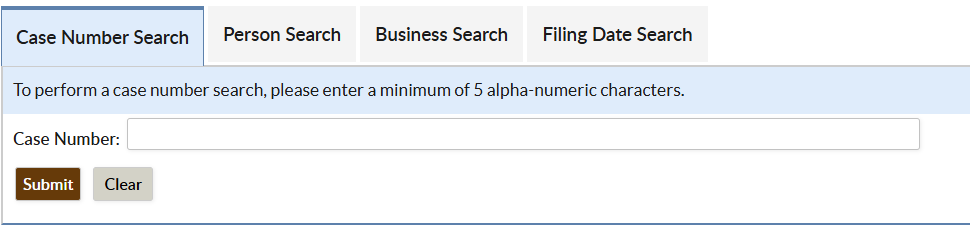
Choose Search Type
The system may offer multiple search options:
- Search by case number: fastest and most accurate method
- Search by party name: enter full legal name
- Search by filing date range: helpful if case number is unknown
Enter Required Details
Input accurate information:
- Case number: include letters and numbers exactly as listed
- Party name: use full first and last name
- Date range: narrow results if needed
- Then click Search or Submit.
Review Case Results
The results page will display:
- Case number
- Filing date
- Case status such as pending or judgment entered
- Assigned courtroom or department
- Scheduled hearing date and time
- Click the case number link to open more detailed docket entries.
Monetary Limits & Eligibility
The monetary limit in small claims court determines how much money a plaintiff may legally request from a defendant. In San Mateo County Superior Court, these claim cap rules are designed to keep minor civil disputes efficient and affordable. Understanding financial limits helps both parties evaluate whether their case qualifies for small claims or should be filed in a higher civil division. The monetary limit also directly impacts filing fees, required documentation, and courtroom procedures.
These legal eligibility standards apply to cases filed in San Mateo County and follow statewide California guidelines. Small claims court focuses on claim resolution for unpaid debts, property damage, contract disputes, and other limited financial disagreements. Plaintiffs and defendants must meet specific legal eligibility criteria before the court schedules a hearing. Knowing the claim cap in advance helps parties avoid delays, rejected filings, or the need to amend their requested compensation amount.
Maximum Claim Amounts
The monetary limit varies depending on whether the plaintiff is an individual or a business entity. Individuals may file a claim for up to $10,000, while businesses are limited to $5,000 per claim. These financial limits ensure that small claims court handles minor civil cases rather than complex, high-value disputes. If a claim exceeds the allowed cap, the plaintiff must either reduce the amount requested or file in a higher civil court division for proper jurisdiction.
- Individuals: up to $10,000 per claim
- Businesses: up to $5,000 per claim
- Corporations and partnerships: subject to business monetary cap
- Defendants: may file a counterclaim within the same monetary limit
Who Qualifies to File a Claim
Legal eligibility depends on age, capacity, and proper party involvement. A plaintiff must generally be at least 18 years old to file independently, though minors may appear through a guardian or court-approved representative. Businesses must be properly registered and legally operating to submit a claim. Defendants must receive correct legal notice before the hearing. Eligibility rules protect due process and ensure that all parties involved understand their rights and responsibilities under small claims courtroom procedures.
- Plaintiff: must meet age and legal standing requirements
- Defendant: must be properly served with court papers
- Businesses: must comply with registration and filing rules
- Guardians or representatives: may file on behalf of minors
How Eligibility Affects Filing Strategy
Understanding the monetary limit and eligibility requirements shapes a plaintiff’s filing strategy. If damages exceed the claim cap, a party may choose standard civil court instead of small claims. However, many litigants accept the lower limit to benefit from faster hearing schedules and reduced filing costs. Defendants should review whether counterclaims fall within permitted limits. Careful planning around financial limits and parties involved increases the likelihood of smooth case processing and efficient claim resolution.
- Claim cap awareness: prevents filing errors
- Financial limits: determine proper court division
- Legal eligibility: ensures valid case acceptance
- Parties involved: influence evidence and preparation strategy
Filing a Small Claim in San Mateo County
If you plan to file small claim San Mateo, understanding the complete claim filing process is essential. The small claims division of the San Mateo County Superior Court handles minor civil disputes efficiently, but success depends on careful preparation. Whether you are seeking unpaid wages, reimbursement for property damage, or compensation for a contract dispute, following the proper legal filing process helps avoid delays or rejected paperwork.
Preparing Your Case
Before you initiate a lawsuit, gather all relevant evidence that supports your claim. This includes contracts, receipts, invoices, written agreements, photos of damage, repair estimates, and communication records such as emails or text messages. Organize documents in chronological order to clearly explain your situation during the hearing. You should also confirm the correct legal name and address of the defendant. Filing against the wrong party name is one of the most common claim filing mistakes. Double-check business registrations if suing a company.
Required Documents
To file small claim San Mateo, you must complete the appropriate court forms. Additional forms may include fee waiver applications if you qualify for reduced filing costs. Always review instructions carefully to ensure accuracy. Make copies of all completed documents before submitting them. Incomplete or unclear forms may cause processing delays. The primary document is the Plaintiff’s Claim form, which outlines:
- Your name and contact information
- Defendant’s legal name and address
- The amount you are requesting
- A brief explanation of why the defendant owes you money
Filing Fees and Payment Methods
Claim filing with the San Mateo County Superior Court requires payment of a statutory filing fee based on the amount of money you are requesting. California small claims fees are set statewide and apply to cases filed in San Mateo County. The fee increases as the claim amount increases. If you qualify financially, you may apply for a court fee waiver to reduce or eliminate the filing cost. When filing in person, accepted payment options typically include:
- Debit card, depending on courthouse availability
- Cash
- Money order
- Cashier’s check
Small Claims Filing Fee Schedule
| Claim Amount Requested | Filing Fee |
|---|---|
| $0 to $1,500 | $30 |
| $1,500.01 to $5,000 | $50 |
| $5,000.01 to $10,000 | $75 |
| More than 12 claims filed in past 12 months (over $2,500 each) | $100 |
Serving the Defendant
After completing claim filing, the next required step is properly serving the defendant. Service is the legal notification process that informs the defendant about the lawsuit and provides details about the hearing date. The San Mateo County Superior Court will not hear your case unless proof shows that the defendant received official notice. Serving papers correctly protects both parties’ rights and gives the defendant a fair chance to respond. Service must follow California small claims rules and strict deadlines. The plaintiff cannot personally deliver the claim documents. Instead, a qualified adult who is not involved in the case must complete the delivery. This step confirms that the defendant has been formally notified of the pending court action.
How to Notify the Defendant
The server must complete a Proof of Service form and file it with the court before the hearing. Without this document, the judge may postpone the case. Deadlines depend on where the defendant lives. If the defendant resides in the same county as the courthouse, service must usually occur at least 15 days before the hearing. If the defendant lives outside the county, service generally must occur at least 20 days before the hearing date. To serve papers properly, the defendant must receive:
- A copy of the Plaintiff’s Claim form
- Hearing date information
- Any additional court-required documents
Methods of Service
California small claims procedures allow several approved methods of legal notification:
- Personal Service: A process server, sheriff, or any adult over 18 who is not part of the case may hand-deliver the documents directly to the defendant. This method is reliable and provides clear proof of delivery.
- Substituted Service: If the defendant is unavailable at home or work, documents may be left with a responsible adult at that location. A follow-up mailing is required to complete service.
- Certified Mail by Clerk: In some cases, the court clerk may serve the defendant by certified mail. Service is only valid if the defendant signs the receipt. If the mail is unclaimed or refused, service fails.
- Registered Process Server: Hiring a professional process server ensures accurate documentation and compliance with deadlines. This option reduces the risk of technical errors in claim filing.
Legal Requirements and Deadlines
Timely service is mandatory. Filing the claim does not automatically notify the defendant. The plaintiff must complete service within the legally required timeframe. Late service may result in a postponed hearing or case dismissal. Accurate documentation strengthens the legal filing process and avoids procedural issues. The Proof of Service must clearly state:
- Date of delivery
- Method used
- Name of person who served the documents
- Address where service occurred
What Happens If the Defendant Is Not Served
If the defendant is not properly served, the court cannot proceed. The judge may continue the hearing and give the plaintiff extra time to complete service. In some situations, repeated service failures can lead to dismissal without prejudice, meaning the plaintiff may refile later. If the defendant receives proper legal notification but fails to appear at the hearing, the court may issue a default judgment in favor of the plaintiff. This allows the plaintiff to pursue collection efforts under California law. Serving the defendant correctly is one of the most critical steps in claim filing. Careful attention to service rules ensures that the case moves forward without unnecessary delays.
Preparing for Your Court Hearing
Preparing properly for your small claims hearing improves your chances of obtaining a favorable court judgment and successful dispute resolution. Careful trial preparation allows you to present facts clearly and respond confidently to questions from the judge. Small claims hearings are brief, so organization and clarity are essential. Planning ahead reduces stress, prevents mistakes, and ensures that your legal argument is presented in a logical and persuasive manner before the court.
Organizing Evidence
Strong documentation is critical when presenting your case. The judge will rely heavily on written proof and visual materials when making a court judgment. Gather all supporting records and arrange them in chronological order to clearly show what happened and why you are entitled to compensation. Make multiple copies for the court and the opposing party. Proper organization helps streamline judge evaluation and strengthens your overall dispute resolution strategy.
- Receipts and invoices: proof of payments or expenses
- Written contracts or agreements: terms of the dispute
- Repair estimates: cost verification
- Photos or videos: visual proof of damage
- Emails, letters, or text messages: communication records
- Proof of payment or nonpayment: financial evidence
Witness Preparation
Witnesses can support your legal argument if they have direct knowledge of the dispute. Prepare them in advance so they understand the hearing process and the importance of answering questions honestly and clearly. A well-prepared witness can reinforce your version of events and clarify details that documents alone cannot explain. Their testimony may influence the court judgment if the facts are disputed.
- Direct knowledge witness: someone who saw or heard the events
- Expert witness: professional opinion if relevant
- Subpoena request: used if a witness refuses to attend
- Clear testimony: factual statements without exaggeration
Courtroom Etiquette
Professional behavior reflects credibility and respect for the legal process. Judges consider not only the evidence but also how each party conducts themselves. Proper courtroom etiquette supports effective dispute resolution and ensures your arguments are taken seriously. Arriving prepared and maintaining composure helps create a positive impression throughout the hearing.
- Dress neatly and conservatively: professional appearance
- Arrive early: allow time for check-in
- Address the judge respectfully: use “Your Honor”
- Avoid interruptions: listen carefully before responding
- Stay calm: maintain respectful tone
Steps During the Hearing
Understanding the hearing process reduces uncertainty and builds confidence. The judge controls the proceeding and may ask questions at any time to clarify facts. Be concise when presenting your case and focus only on relevant information that supports your claim. Clear presentation and organized evidence increase the likelihood of a favorable court judgment.
- Case is called: parties step forward
- Plaintiff presents case: explanation and evidence
- Defendant responds: defense and supporting documents
- Judge asks questions: clarification of facts
- Decision issued: immediate ruling or mailed judgment
How Judgments Are Made
A court judgment is the official legal decision issued after both sides present their evidence and testimony. In small claims court, the judge focuses on fairness, credibility, and documented proof when resolving disputes. Because hearings are short, clarity and organization are essential. The court judgment reflects the judge’s evaluation of facts, applicable law, and the overall strength of each party’s presentation.
How Judges Decide Cases
Judges base their legal decision on the evidence and testimony provided during the hearing. The plaintiff must prove their claim by a preponderance of the evidence, meaning it is more likely true than not. The judge carefully reviews documents, listens to statements, and may ask clarifying questions before issuing a ruling. A clear, organized presentation often influences how the court judgment is determined.
- Credibility of both parties: consistency and honesty
- Written contracts or agreements: proof of obligations
- Receipts and payment records: financial verification
- Photographs or physical evidence: visual confirmation
- Consistency of testimony: logical explanation of events
Possible Outcomes
A court judgment may result in different outcomes depending on the evidence presented. The judge can award the full requested amount, reduce the claim, or dismiss the case entirely. In some situations, a defendant’s counterclaim may also be considered. Each outcome represents the court’s final ruling on the dispute and establishes legal responsibility between the parties.
- Full award: plaintiff receives entire claimed amount
- Partial award: reduced compensation granted
- Dismissal: claim denied
- Defendant counterclaim award: compensation granted to defendant
What the Judgment Means
Once issued, the court judgment becomes a legally binding obligation. If the plaintiff wins, the defendant must pay the ordered amount within the specified timeframe. If the defendant wins, the plaintiff may receive nothing or owe money under a counterclaim. The ruling formally concludes the dispute resolution process and defines each party’s legal rights and responsibilities.
Enforcement Methods
If payment is not made voluntarily, the prevailing party may begin judgment enforcement procedures. These legal tools help ensure compliance with the court judgment and convert the ruling into actual payment. Enforcement actions must follow statutory procedures and may require additional court filings.
- Wage garnishment: deduction from earnings
- Bank levy: funds taken from bank account
- Property lien: claim placed on real estate
- Debtor’s examination: court review of financial status
Location & Accessibility
The San Mateo County Superior Court handles all small claims cases at its main courthouse in Redwood City. This location serves residents across San Mateo County for filings, hearings, and clerk services. Knowing the exact courthouse location helps visitors plan travel time, parking, and public transportation before attending a small claims hearing. The court building is fully accessible and open to the public during posted business hours. Department schedules and small claims calendars are available both onsite and online, allowing visitors to confirm hearing times in advance. Accessibility features support visitors with mobility, hearing, or visual needs.
Court Address, Directions, and Parking
Arriving early is recommended due to security screening at the entrance. The San Mateo county small claims court is located at the following verified address:
San Mateo County Hall of Justice
400 County Center
Redwood City, CA 94063
- Driving directions: Accessible via US-101 and CA-84
- Parking: Public parking garage and metered street parking nearby
Public Transportation
Public transit is a reliable option for visitors attending hearings during business hours. The courthouse is reachable by multiple public transit services:
- Caltrain: Redwood City Station, approximately a 10-minute walk
- SamTrans buses: Multiple routes stop near County Center
- Rideshare services: Designated pick-up and drop-off zones nearby
Frequently Asked Questions
This section answers common court questions related to file small claim San Mateo, tracking cases, and court judgment outcomes. It explains timelines, missed hearings, appeal rights, and claim limits using standard procedures followed by the San Mateo County Superior Court. These FAQs support filing help, case tracking, and practical legal guidance for small claims matters. Each answer focuses on real courtroom practices and what parties should expect during and after the process.
How long does it take to receive a judgment?
A court judgment in a small claims case is often issued quickly after the hearing. Some judges announce the decision immediately in the courtroom. Other cases require review of documents, which means the ruling is mailed within two to six weeks. The timing depends on case complexity and court workload. Once entered, the judgment appears in the small claims case lookup system. Payment deadlines begin only after entry. Parties should monitor their case status regularly to confirm when the judgment becomes official.
Can a small claims decision be appealed?
Appeal rights depend on which party filed the case. Plaintiffs who file small claims cases do not have appeal rights if they lose. Defendants may appeal within the allowed deadline, usually 30 days from the mailing date of the court judgment. An appeal results in a new hearing before a different judge. The case is reheard from the beginning, and both sides may present evidence again. The new ruling replaces the original decision and becomes final once issued.
What happens if a court date is missed?
Missing a scheduled hearing can affect the outcome significantly. If the plaintiff fails to appear, the court may dismiss the case. If the defendant does not attend, the judge may issue a default court judgment for the plaintiff. A party who missed the hearing may request to set aside the judgment. This request must explain the absence and meet filing deadlines. Approval depends on court review. Checking hearing dates through small claims case lookup helps prevent missed appearances.
How often do small claims limits change?
Small claims monetary limits are controlled by California law, not local courts. Changes occur only when state legislation updates the allowed amounts. There is no fixed schedule for revisions. Individuals and businesses must follow the limit in effect on the filing date. Anyone planning to file small claim San Mateo should verify current limits before submitting forms. Updated limits are published on official court resources and confirmed by the clerk’s office when changes occur statewide.
How can I track my case status?
Case tracking is available through the court’s online small claims case lookup system. By entering a case number or party name, users can view hearing dates, case status, and judgment information. Updates appear once processed by the clerk. The system does not show confidential documents but provides procedural details. Regular checks help parties stay informed about scheduling changes or rulings. For clarification, the clerk’s office can confirm status details during business hours.