San Mateo County Court serves as the primary local trial court for residents and businesses within San Mateo County, California. The court operates under the official name Superior Court of California, County of San Mateo and functions within the statewide structure of the Judicial Branch of California. As part of California’s county judicial system, it handles civil, criminal, family, probate, and traffic matters. Judges apply state statutes and local court rules to resolve disputes fairly and efficiently. The San Mateo County Superior Court acts as the community’s central court authority, managing filings, hearings, case processing, and courtroom administration across multiple divisions within the superior court system.
San Mateo County Court maintains official court case records that form part of California’s public court information system. These records may include case numbers, party names, hearing dates, judgments, and docket entries, depending on record type and legal restrictions. Court case access allows the public to review many non-confidential matters filed in this local trial court. Certain records, such as juvenile cases or sealed documents, remain protected under state privacy laws. Through structured court administration and record management systems, the court supports transparency, accountability, and lawful public record practices while upholding the integrity of California’s superior court framework.
What Is San Mateo County Superior Court?
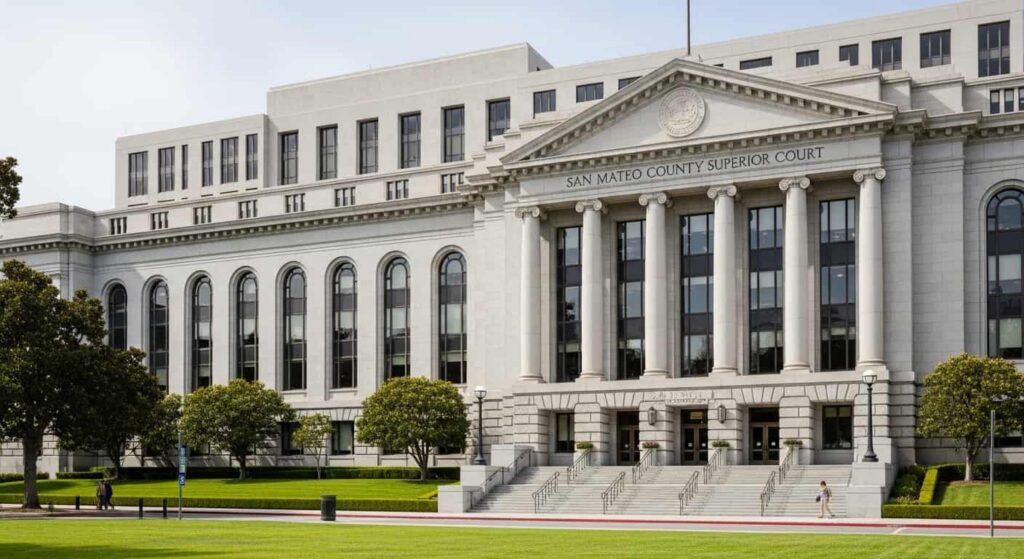
San Mateo County Superior Court is the main trial court serving San Mateo County, California. It is part of the Judicial Branch of California and operates within the state court system, providing legal adjudication for civil, criminal, family, probate, and traffic cases. The court ensures local residents have reliable access to hearings, legal judgments, and official records. Its divisions handle specialized cases efficiently, maintaining transparency and public trust while upholding California law. The court also provides resources for attorneys, self-represented parties, and the general public to understand court procedures.
Role in California’s Judicial System
The San Mateo County Superior Court plays a central role in California’s judicial framework. Operating under the authority of the Judicial Branch, it enforces state laws at the county level and provides a forum for resolving disputes. Decisions made here can influence local outcomes and set procedural guidance for future cases. The court connects with the broader state court system, including appellate courts, ensuring a structured path for appeals and legal oversight. Judges apply statutes consistently to maintain fairness, accountability, and community confidence.
Trial Court Authority
As a trial court, the San Mateo County Superior Court evaluates facts, evidence, and testimony to issue binding judgments. Judges interpret state law, resolve disputes, and provide remedies within civil, criminal, family, and probate cases. This authority allows residents to seek legal resolution while ensuring that hearings follow California’s procedural standards. Trial court rulings affect local communities and provide enforceable decisions, supporting the overall integrity of the county judicial system. Court decisions also serve as reference points for related cases in the county and state.
Administrative Structure
San Mateo County Superior Court operates with an organized administrative system that ensures smooth case management and court operations. Clerks, administrators, and support staff work with judges to maintain schedules, filings, and courtroom processes. The court also uses digital systems to manage records securely while providing transparency for eligible public information. This structured administration supports timely hearings, accurate judgments, and reliable case documentation across all court divisions, strengthening public trust in the county judicial system.
How to Search San Mateo County Court Records
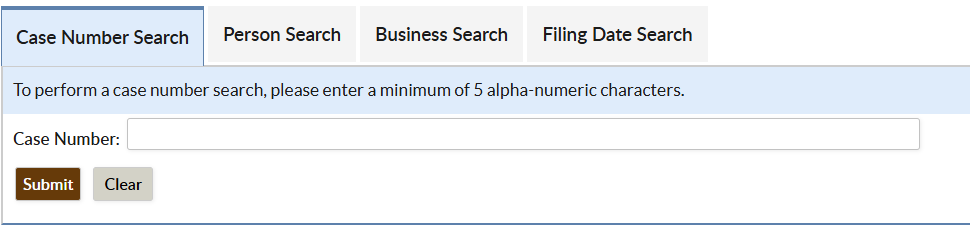
Follow these steps to find court case information online using the court’s official resources. You can access case numbers, party names, hearing dates, and filing details. The system also allows you to download available documents and view court calendars for scheduled hearings. Make sure to have relevant information like case number or party name to streamline your search. For more detailed inquiries, the court’s clerk office can assist with public records requests.
- Visit the Court’s Online Case Access Page: Go to https://sanmateo.courts.ca.gov/online-services/online-case-access
- Choose the Searching sites:
- Use MIDX: San Mateo County Superior Court Records Index for basic index results including case number, names, and filing dates.
- Use the Odyssey Public Portal for more detailed public case information including registers of actions.
- Enter Search Criteria:
You can search by:- Case Number
- Party Name
- Filing Date or date range
Most searches work with partial names too; add a wildcard symbol (*) after a name fragment for broader results.
- Run the Search:
Press Search/Submit and review the results list. Click on the matching case line to view available details. - Review Case Information:
The system may show you a court docket, which is a timeline of filings and events in the case. Some documents are available for online viewing, but not all.
When Online Search Doesn’t Show Your Case
In such cases, you may need to visit the Records Management Division in person at the courthouse to request records directly from staff. If you cannot find a record online, it could be because the case is:
- Sealed or confidential
- Filed before electronic records began
- A traffic/infraction matter not listed in the online index
Court Divisions
San Mateo Court Services provide structured access to different types of cases through specialized divisions. Each division focuses on specific legal matters, ensuring that cases are handled efficiently and fairly by judges trained in that area. These divisions support the local judicial branch, maintain clear workflows, and provide both online and in-person services for residents and legal professionals. Understanding each division helps users identify the correct area for filing, tracking, or requesting court records, improving access and case management across the county.
Civil Cases
The civil division of San Mateo Court Services manages disputes between individuals, organizations, or businesses involving legal claims rather than criminal offenses. This division reviews contracts, property matters, personal injury claims, and other civil disputes. Judges ensure cases are resolved according to California law, either through settlements, court orders, or judgments. Civil court provides a reliable forum for resolving financial, contractual, and property-related disagreements efficiently.
- Contract disputes
- Personal injury claims
- Property or landlord-tenant disputes
- Monetary damages or injunctions
Criminal Cases
The criminal court division handles cases involving violations of state law, including both misdemeanors and felonies. Judges oversee arraignments, pre-trial hearings, trials, and sentencing to protect legal rights while enforcing statutes. This division ensures that defendants receive fair hearings and that public safety and justice are maintained in accordance with California law. Criminal courts maintain records and documentation for all proceedings.
- Misdemeanor and felony cases
- Arraignments and pre-trial hearings
- Sentencing and probation hearings
Family Law
The family law court manages cases related to domestic relationships, including divorce, child custody, and support. Judges also handle domestic violence restraining orders and parental rights disputes. The division encourages mediation and settlement conferences to resolve family matters efficiently while protecting the rights of children and all parties involved.
- Divorce and legal separation
- Child custody and support
- Domestic violence orders
- Mediation services
Probate & Guardianship
The probate court manages estates, wills, trusts, and guardianships for minors or adults unable to care for themselves. Judges oversee estate administration, verify legal documents, and ensure assets are properly distributed. The court also handles guardianship and conservatorship cases to protect vulnerable individuals while adhering to California law. Key functions include overseeing wills and estate administration, validating trusts, conducting adult and minor guardianships, and holding conservatorship hearings to ensure all legal and fiduciary responsibilities are properly met.
Traffic Violations
The traffic court division manages vehicle code violations, including citations for speeding, reckless driving, and other infractions. Judges handle contested tickets, issue fines, and assign traffic school when applicable. This division ensures consistent enforcement of driving laws while providing residents with options to resolve infractions efficiently.
- Vehicle code infractions
- Traffic citations
- Court hearings for contested tickets
- Fine payments and traffic schools
Small Claims
The small claims division handles disputes involving limited monetary amounts, allowing individuals to represent themselves without an attorney. Judges provide simplified procedures to resolve issues such as unpaid debts, property damage, or minor contract disagreements quickly and efficiently. This division supports a fast and accessible legal process for smaller-scale disputes.
- Monetary disputes under small claims limits
- Self-representation allowed
- Quick resolution and simplified procedures
Court Administration & Governance
Court administration in San Mateo County ensures that all court operations run smoothly, efficiently, and in compliance with California law. As part of the judicial branch, administrative offices coordinate daily activities, manage court resources, and oversee case flow across multiple divisions. This structure allows judges, clerks, and staff to focus on legal proceedings while ensuring the public receives timely and accurate services. Court administration balances operational efficiency with transparency, supporting fair and effective resolution of civil, criminal, family, probate, and traffic cases.
Administrative Authority
The administrative authority of San Mateo County courts establishes policies and procedures for managing all court operations. This includes overseeing court operations, ensuring compliance with state laws, and implementing county-wide administrative directives. The presiding judge, together with administrative staff, defines operational standards, schedules judicial assignments, and supervises staff to maintain a high level of service. Effective administration ensures consistency in case handling and procedural fairness across all court divisions while safeguarding public trust.
Clerk Responsibilities
Court clerks perform critical functions within the administrative framework. They manage filings, maintain court records, and support judges during hearings. Clerks coordinate access to public documents, handle requests for certified copies, and assist parties with procedural guidance. By maintaining accurate records, clerks ensure proper case documentation, support case management systems, and help enforce California’s rules for public inspection of court files. Their role is essential for both operational efficiency and legal accountability.
Judicial Assignments
Judicial assignments are coordinated by court administration to ensure that each division has appropriately trained judges for the cases they handle. Assignments cover civil, criminal, family law, probate, traffic, and small claims matters. Administrators monitor case loads, schedule hearings, and allocate judicial resources to avoid delays. This structured assignment system allows judges to focus on specialized case types while maintaining consistent application of the law throughout the county court system.
Budget Oversight
Court administration is responsible for budget oversight and resource allocation within the county judicial system. Administrative offices manage staffing, technology, and operational expenditures while planning for infrastructure improvements and long-term sustainability. Budget planning ensures the court can maintain efficient operations, support case management systems, and provide adequate public services without disruption. Financial oversight also ensures compliance with state funding requirements and accountability standards.
Operational Management
Operational management includes supervising daily functions, monitoring case progress, and maintaining court facilities. Administrators coordinate across administrative offices, case management systems, and judicial staff to streamline workflows. This ensures timely scheduling of hearings, accurate record keeping, and smooth interaction with attorneys, parties, and the public. Effective operational management helps the court deliver reliable services, reduce delays, and maintain the integrity of the judicial process.
Filing Procedures & Court Services
San Mateo Court Services provide residents and legal professionals with clear procedures for filing documents, initiating cases, and accessing court resources. The court supports both traditional paper filings and electronic filing through secure portals. Filing procedures ensure cases are officially recorded, hearings are scheduled, and fees are collected according to California law. Administrative staff guide users through document submission, payment processing, and case management, helping maintain accurate records and timely court proceedings for civil, criminal, family, probate, and traffic matters.
How to File a Case
Filing a case with San Mateo Court Services begins by selecting the appropriate court division for your matter. Parties can submit court forms either in person or online, depending on the case type. Court clerks review filings to ensure completeness and compliance with California rules. Once accepted, the case is officially initiated, assigned a case number, and scheduled for hearings or further administrative review. Accurate filings help avoid delays and ensure proper handling within the county court system.
E-Filing Process
The electronic filing (e-filing) system allows attorneys and self-represented parties to submit documents online securely. Users create an account through the official court e-filing portal, upload required forms, and submit them for review. The system confirms receipt of filings and integrates them directly into the court’s case management system, enabling judges and clerks to access records efficiently. E-filing reduces in-person visits, speeds up case processing, and provides immediate confirmation of submission.
Filing Fees
San Mateo Court Services require filing fees for most case types, including civil, probate, family law, and small claims. Fees vary depending on the case type and requested services. The court publishes a fee schedule detailing costs for filing, copies, certified records, and other administrative services. Fee collection ensures the court can maintain operations, staff, and facilities while providing access to judicial services. San Mateo Court Services based on the official fee schedule published by the Superior Court of California, County of San Mateo.
San Mateo Court Filing Fee Schedule
| Filing Type | Fee |
|---|---|
| Civil – Unlimited Cases (Complaint/First Paper) | $435 |
| Civil – Limited Cases (Up to $10,000) | $225 |
| Civil – Limited Cases (Over $10,000 up to $35,000) | $370–$385* |
| Answer/Response (Civil) | $435 (unlimited) / $225 (limited) |
| Probate – Standard Petition | $435** |
| Probate – Small Estate Affidavit (no filing needed) | $0** |
| Family Law Petition | Typically aligned with civil fee schedule*** |
| Small Claims – Up to $1,500 | $30 |
| Small Claims – $1,501 to $5,000 | $50 |
| Traffic / Vehicle Code Infractions | Varies (often set by fine amount & penalty) |
| Certified Copy (per document) | Additional fee (varies) |
| Copies per page | Additional nominal fee |
Payment Methods
The court accepts multiple payment methods to accommodate users, including cash, check, money order, and certain electronic payments. Online e-filing portals often allow credit card payments or electronic transfers at the time of submission. Payment confirmation is issued immediately in the case of online filings or at the clerk’s office for in-person payments. Accurate payment ensures the filing is officially recorded and avoids delays in scheduling hearings.
Public Access, Transparency & Legal Rights
Public access is a key principle of the California trial court system, ensuring that court proceedings, documents, and hearings remain open to the community whenever allowed by law. San Mateo County courts provide residents, attorneys, and researchers with access to records, court calendars, and case information while balancing privacy protections for sensitive matters. The open court system reinforces accountability, fairness, and trust in the judicial process, allowing the public to observe proceedings, verify legal outcomes, and participate when legally entitled.
Public Record Laws
California law guarantees that most court records are part of the public domain. The San Mateo County Superior Court manages public records in compliance with these statutes, allowing inspection of filings, case dockets, and judgments while restricting confidential or sealed files. These rules support transparency, ensuring that citizens, media, and legal professionals can review official documents without unnecessary barriers.
Key Public Record Features
- Access to case filings, dockets, and judgments
- Procedures for requesting copies or certified documents
- Online and in-person review options
- Protection for confidential or sealed records
ADA Accommodations
Court accessibility ensures individuals with disabilities can fully participate in legal proceedings by following Americans with Disabilities Act (ADA) guidelines. Courts provide accommodations such as wheelchair-accessible courtrooms, assistive listening devices during hearings, and modified schedules for people with mobility limitations. Court staff also help visitors navigate courthouse procedures and arrange necessary services in advance. These measures ensure equal access to court facilities, hearings, and information while maintaining fairness, inclusion, and compliance with federal and state accessibility standards for all participants in the judicial process.
Language Access Services
San Mateo County courts offer comprehensive language access services for non-English speakers and individuals with limited English proficiency. These include court-certified interpreters for hearings, translated forms, and bilingual support staff at public counters and clerk offices. Parties can also request interpreters for scheduled hearings. By providing these resources, the court ensures that all individuals fully understand legal proceedings, can exercise their rights, and receive fair treatment, promoting equitable access to justice for the diverse community.
Community Outreach
The court engages in community outreach to educate the public about legal rights, court processes, and available services. Programs include workshops, informational sessions, and public events to promote understanding of civil, criminal, family, and probate proceedings. By maintaining an open and communicative approach, the court fosters trust, encourages civic engagement, and strengthens the community’s connection to the judicial system.
Community Outreach Initiatives:
- Public legal education workshops
- Court tours and informational sessions
- Collaboration with local organizations for awareness programs
- Online resources and informational guides for residents
Locations & Jurisdiction
San Mateo Courthouse serves as the primary judicial facility for residents and businesses across San Mateo County. The court operates under the San Mateo County jurisdiction, providing legal services for civil, criminal, family, probate, traffic, and small claims matters. This courthouse is part of the Northern California court district and supports local communities throughout the Peninsula region. Its facilities are designed to handle filings, hearings, public records requests, and administrative services efficiently while maintaining accessibility and transparency.
Main Courthouse Location
The main San Mateo Courthouse is located in the county seat and serves as the central hub for court operations. It handles major civil, criminal, and family law cases and coordinates administrative functions across branch locations. The courthouse includes courtrooms, clerk offices, self-help resources, and public records facilities to serve both attorneys and residents.
Main Courthouse Details:
- Address: 400 County Center, Redwood City, CA 94063
- Services: Civil, criminal, family law, probate, traffic
- Hours: Monday – Friday, 8:30 AM – 4:00 PM
Branch Court Locations
In addition to the main courthouse, San Mateo County operates branch facilities to increase accessibility across the region. Each branch serves specific court districts and provides limited services for hearings, filings, and public inquiries. Branch locations help reduce travel time and make local court services more convenient for residents.
Branch Facilities:
- South San Francisco Courthouse: 400 Grand Avenue, South San Francisco, CA 94080
- Daly City Branch Court: 1550 Sullivan Avenue, Daly City, CA 94015
- Burlingame Branch Court: 201 Howard Avenue, Burlingame, CA 94010
- San Bruno Branch Court: 1150 Huntington Avenue, San Bruno, CA 94066
Cities Served
The San Mateo Courthouse system provides legal services to multiple cities within the county. Each facility is strategically placed to serve the surrounding communities efficiently, ensuring residents have convenient access to courtrooms, filings, and public records.
Service Areas Include:
- San Mateo: County seat, major civil and criminal cases
- Redwood City: Administrative hub, main courthouse location
- South San Francisco: Local hearings, limited civil and criminal cases
- Daly City: Traffic, small claims, and minor civil cases
- Burlingame: Probate and family law services
- San Bruno: Traffic and small claims services
Frequently Asked Questions
The San Mateo County Superior Court provides transparent access to legal processes, court records, and public services for residents across the county. This FAQ section answers common questions about court locations, filing procedures, case handling, and record access. It is designed to help users quickly find reliable information and clarify procedural steps while ensuring compliance with California law.
How do I contact San Mateo County Court?
You can contact the San Mateo County Superior Court by phone at (650) 261-5000, or visit the main courthouse at 400 County Center, Redwood City, CA 94063. Court clerks are available Monday through Friday from 8:30 AM to 4:00 PM to assist with filings, scheduling hearings, case inquiries, and procedural guidance. For specialized divisions like family law, probate, or traffic, specific clerk offices handle questions related to those cases. The court also offers online resources for case searches, e-filing, and fee payments to provide additional support without needing to visit in person.
How can I get court records in San Mateo?
Court records are accessible online through the San Mateo County Court Online Case Access portal or in-person at the clerk’s office. Users can search by case number, party name, or filing date. Most civil, criminal, family, probate, and traffic records are public, but some documents may be sealed or restricted. Requests for certified copies may require additional forms and fees. Court staff guide users on properly filling out requests and understanding what is available online versus in-person. Using official portals ensures accurate, up-to-date records and reduces delays.
Where is the main San Mateo courthouse located?
The main courthouse is located at 400 County Center, Redwood City, CA 94063, serving as the administrative and judicial hub for the county. It handles major civil, criminal, family, probate, and traffic cases and coordinates administrative operations across branch courts. Branch locations include South San Francisco, Daly City, Burlingame, and San Bruno, which provide limited services closer to local communities. Each branch offers access to hearings, filings, and records to reduce travel and improve accessibility. Maps, directions, and parking information are available on the court’s official website for convenience.
What types of cases does the Superior Court handle?
The San Mateo County Superior Court manages a wide range of cases including civil, criminal, family law, probate, traffic, and small claims. Specialized divisions handle specific matters efficiently, assigning judges trained in relevant areas. Civil cases cover disputes over contracts, property, and damages, while family law includes custody, divorce, and support matters. Criminal divisions manage misdemeanor and felony cases, and probate oversees estates, trusts, and guardianships. Traffic and small claims courts address violations and minor financial disputes. The court ensures fairness, timeliness, and compliance with California laws in all proceedings.
How long does a court case take?
The duration of a court case depends on its type, complexity, and the division handling it. Traffic and small claims cases can often resolve within weeks, while civil, family, or probate cases may take several months or longer due to required filings, hearings, and possible motions. Factors such as the completeness of documents, availability of parties, and scheduling of judges affect timelines. Court staff and the case management system track each case’s progress, allowing attorneys and residents to monitor updates online or via the clerk’s office. Planning and preparation can help reduce delays.